
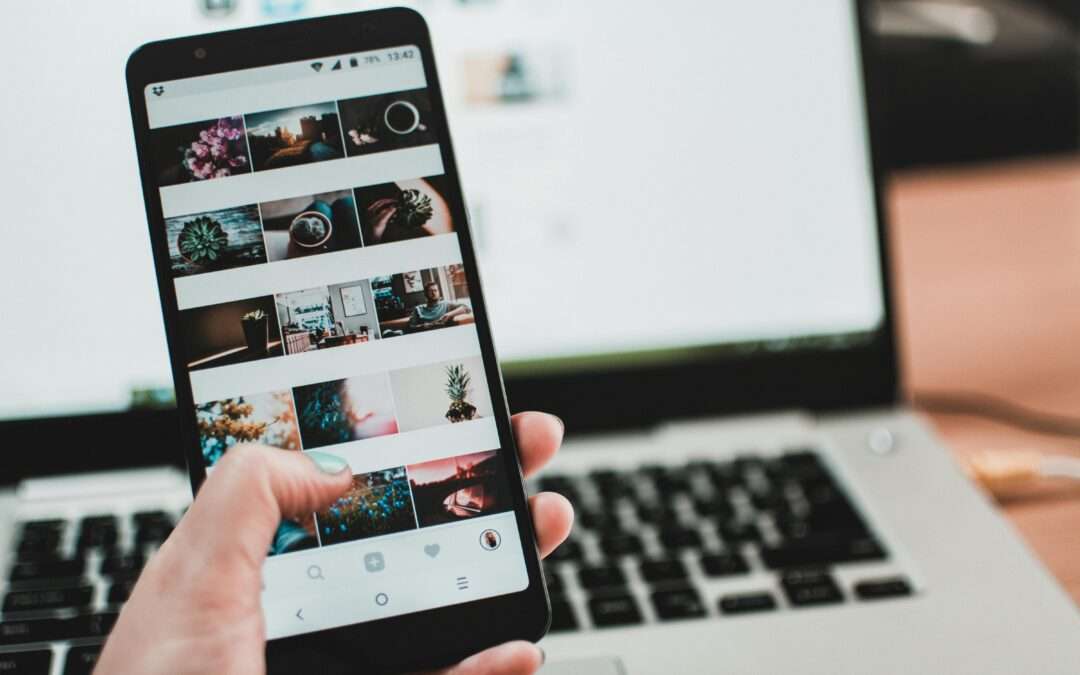
In today’s hyperconnected world, technology has become an inseparable part of our lives. From the moment we wake up, we’re bombarded with pings, alerts, and notifications — emails to check, messages to reply to, news updates to scroll through. While digital tools have transformed the way we live and work, the constant connection comes at a cost: our attention, mental clarity, and emotional well-being.
Finding digital balance is no longer just a luxury — it’s a necessity for a healthy, focused, and fulfilling life.
Why We Need Digital Breaks
Research shows that the average person checks their phone over 100 times a day. This constant switching between tasks fragments our attention and reduces productivity. Even when we’re not working, many of us continue to scroll mindlessly, consuming endless information that overwhelms rather than relaxes us.
Taking digital breaks — intentional moments of disconnecting from screens — allows your brain to rest and recharge. Think of it as giving your mind room to breathe. When you step away from your devices, you’re not just “doing nothing.” You’re allowing your thoughts to settle, your creativity to flow, and your focus to rebuild naturally.
The Benefits of Unplugging
Here’s what happens when you intentionally disconnect:
- Sharper Focus:
When you give your brain a break from constant stimulation, your ability to concentrate improves. You return to your tasks refreshed and more productive. - Better Sleep:
Blue light from screens disrupts melatonin production, making it harder to fall asleep. Reducing screen time before bed helps restore your natural sleep cycle. - Improved Mood:
Social media and online comparison can affect self-esteem. Digital breaks create space for gratitude, mindfulness, and real-world connection. - Boosted Creativity:
Some of your best ideas often come when you’re not staring at a screen — during a walk, shower, or quiet moment. Disconnecting invites inspiration. - Healthier Relationships:
Putting your phone down during meals or conversations helps you be truly present with others. Real connection happens offline.
How to Practice Digital Balance Every Day
You don’t need to completely unplug to feel the benefits — small, consistent habits can make a big difference. Try these easy tips:
- Start your morning screen-free. Spend the first 20 minutes journaling, stretching, or having breakfast without checking your phone.
- Take mini-breaks during work. Use the Pomodoro technique — 25 minutes of focused work followed by a 5-minute screen-free break.
- Set “no-phone zones.” Keep your dining area and bedroom tech-free to encourage real rest and connection.
- Schedule social media hours. Instead of checking constantly, allocate specific times in the day to go online.
- End your day offline. Read a book, meditate, or listen to music without screens before bedtime.
Finding Your Digital Balance
Remember, digital tools aren’t the enemy — the goal is to control your technology, not let it control you. When you create boundaries with your devices, you reclaim your time, energy, and focus.
Digital balance is about using technology mindfully — to connect, create, and grow — without losing touch with yourself or the present moment.




Related posts:
 Secure Communication Made Simple: Why Telefeo Protects Your Digital Life
 Beyond Data: How Telefeo Keeps Your Communication Secure
 Why Telefeo is the Smart Choice for Everyday Connectivity
 Why an eSIM is the Future of Work-From-Anywhere Professionals
 Why Telefeo is the Best eSIM for International Travel and Everyday Life
 Privacy and Security: Why Telefeo is the Best eSIM for Security Communication
 Telefeo’s eSIM Prepaid Data Plans for Android and iPhone
 The Digital Nomad’s Secret: Stay Connected Anywhere with Telefeo Best eSIM